Showing posts with label nutrition. Show all posts

Thursday, April 25, 2013

Eat This, Not That!

I will begin by saying that I hate the "Eat This, Not That!" books. All they do is tell you which processed crap is lower in calories, both options still full of the same type of crud: chemical preservatives, hydrogenated oils / trans fats, dyes, etc.

These substitutions are truly healthier options, not just lower calories options:

Eat This

Not That

Ingredients: rice flour, almonds, potato starch, salt, expeller pressed safflower oil, natural almond flavor, natural butter flavor. Ingredients: unbleached enriched flour (wheat flour, niacin, reduced iron, thiamine mononitrate {vitamin b1}, riboflavin {vitamin b2}, folic acid), soybean oil, sugar, partially hydrogenated cottonseed oil, salt, leavening (baking soda and/or calcium phosphate), high fructose corn syrup, soy lecithin, malted barley flour, natural flavor.
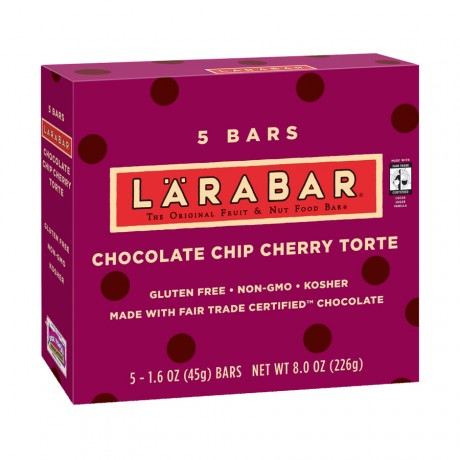
Ingredients: Dates, Chocolate Chips (unsweetened chocolate  sugar, cocoa butter, vanilla), Almonds, Unsweetened Cherries, Cashews, Sea Salt  Ingredients: Whole Grain Oats, High Maltose Corn Syrup, Semisweet Chocolate Chunks (Sugar, Chocolate Liquor, Cocoa Butter, Soy Lecithin, Natural Flavor), Sugar, Almonds, Rice Flour, Chicory Root Extract, Fructose, Dried Cranberries, Canola Oil, Dried Cherries, Maltodextrin, Vegetable Glycerin, Soy Lecithin, Salt, Barley Malt Extract, Baking Soda, Natural Flavor, Mixed Tocopherols
Ingredients: Organic Cultured Grade A Milk, Organic Strawberry Puree (Organic Strawberries, Natural Strawberry Flavor, Organic Evaporated Cane Juice, Natural Fruit Pectin, Lactic Acid) Organic Skim Milk, Organic Cream. Ingredients: Cultured Pasteurized Grade A Nonfat Milk, High Fructose Corn Syrup, Strawberries, Modified Corn Starch, Whey Protein Concentrate, Kosher Gelatin, Citric Acid, Tricalcium Phosphate, Aspartame, Potassium Sorbate Added to Maintain Freshness, Natural Flavor, Red No. 40, Vitamin A Acetate, Vitamin D3.
Ingredients: Roasted tomatillos, tomatoes, green chiles, onions, cilantro and garlic, citric acid, salt, evaporated cane juice.

(Note: Use Hass Avocados, not Slimcados!)
Ingredients: Maltodextrin, salt, onion, nonfat dry milk, modified tapioca starch, red bell peppers, sour cream solids (cream, nonfat dry milk, and cultures), garlic, corn syrup solids, jalapeno peppers, cultured nonfat dry milk, lemon juice solids, parsley, lactic acid, citric acid, extractives of red pepper, and natural flavors.
Ingredients: Pasteurized cream, salt

(Also see: Butter!)
Ingredients: Vegetable Oil Blend (Liquid Soybean Oil, Partially Hydrogenated Soybean Oil), Water, Whey (Milk), Salt, Vegetable Mono and Diglycerides, Soy Lecithin, (Potassium Sorbate, Calcium Disodium Edta) Used to Protect Quality, Citric Acid, Artificial Flavor, Vitamin A Palmitate, Beta Carotene (For Color).
Ingredients: Raw almonds. Ingredients: Roasted peanuts and sugar, contains 2% or less of: molasses, partially hydrogenated vegetable oil (soybean), fully hydrogenated vegetable oils (rapeseed and soybean), mono- and diglycerides and salt.

Wednesday, March 7, 2012

Fat Head

This movie is a must-watch! (Rent it on Amazon instant video for $3.99 using the link on the right.)

Comedian and former health writer Tom Naughton's made "Fat Head" as a spin-off rebuttle to "Super Size Me". Naughton eats fast food for 30 days and actually manages to lose weight and better his cholesterol numbers! How? By using a little common sense: skip the soda pop, make sensible choices (well, as sensible as can be made in the fast-food setting), keeping calorie intake around 2000 per day, and getting some light exercise.

Just to be clear, Naughton isn't advocating that fast food is healthy, he explicitly says during the movie that is not the case. What he is demonstrating is that we need to quit the blame game: health and weight problems are not the fault of fast food companies or the government. This movie is very pro-personal-responsibility, which I agree with 110%.

I also loved that he presented GOOD information on nutrition and calls-out what we've been led to falsely believe. In other words: the government's food pyramid and high-carb low-fat diet are NOT the way to go! He features experts that I've enjoyed reading the books of, such as Michael Eades MD, Mary Eades MD, Mary Enig PhD, Sally Fallon, Gary Taubes, and others. It's nice to see that better information about nutrition is becoming more mainstream, yet it's still a sad state that the recommendations pushed by the government, American Heart Association, and others that are so outmoded and have been disproved, but they continue to recommend them.

My rating: 4½ / 5 stars. Watch this movie!

For more, check out Naughton's blog at: http://www.fathead-movie.com/

Thursday, October 6, 2011

Butter!

Paula Deen's best friend: butter!

This will be a short post, I just wanted to share this picture of the difference in color between butter from grass-fed cows versus corn-fed cows.

Left (Yellow!) - Butter from grass-fed cows
Right (White) - Butter from corn-fed cows

Butter from grass-fed cows is higher in Vitamin A / Beta Carotene (hence the yellow color), Vitamin E, Vitamin K2, and Omega-3s, and lower in Omega-6s.

Sunday, September 4, 2011

Horrible Product: SlimCado

Introducing: The SlimCado!


Ok, so they aren't quite horrible, they are a natural fruit (non-GMO), but they are misleading with their marketing.

"SlimCado" is the brand name of the Florida Avocado, which boasts 35% less calories and 50% less fat. I've seen them in the grocery store several times, I finally decided to do a little research on them.

There is a significant size different between Hass Avocados, which are what we think of when we hear "avocado", and the SlimCado. An average Hass Avocado is about 136 g (4.8 oz), while an average SlimCado is about 304 g (10.85 oz).

SlimCados on the left
Hass Avocados on the right

Because of the size difference, I have the numbers below for 1 fruit as well as 1 oz. In the difference columns, the amount is calculated on 1 oz as to have an equal comparison.


Hass Avocado Florida Avocado Difference
136 g 1 oz 304 g 1 oz Amount %
Calories 227 46.74 365 33.62 -13.12 -28.07%
Fat (g) 21 4.32 31 2.86-1.47 -33.96%
Saturated Fat (g) 3 0.62 6 0.55 -0.07 -10.53%
Monosaturated Fat (g) 13.3 2.74 16.8 1.55 -1.19 -43.49%
Polyunsaturated Fat (g) 2.5 0.51 5.1 0.47 -0.04 -8.74%
Carbohydrates 11.8 2.43 24.4 2.25 -0.18 -7.49%


Omega 3 (mg) 150 30.88 292 26.89 -3.99 -12.91%
Omega 6 (mg) 2298 473.12 4804 442.47 -30.64 -6.48%


Protein (g) 2.7 0.56 6.8 0.63 0.07 12.67%


Vitamin A (IU) 200 41.18 426 39.24 -1.94 -4.71%
Vitamin C (mg) 12 2.47 52.9 4.87 2.40 97.21%
Vitamin E (mg) 2.7 0.56 8.1 0.75 0.19 34.21%
Vitamin K (mcg) 28.6 5.86 N/A N/A N/A N/A
Thiamin [B1] (mg) 0.1 0.02 0.1 0.01 -0.01 -55.26%
Riboflavin [B2] (mg) 0.2 0.04 0.2 0.02 -0.02 -55.26%
Niacin [B3] (mg) 2.6 0.54 2 0.18 -0.35 -65.59%
Pantothenic Acid [B5] (mg) 2 0.41 2.8 0.26 -0.15 -37.37%
Vitamin B6 (mg) 0.4 0.08 0.2 0.02 -0.06 -77.63%
Folate [B9] (mcg) 121 24.91 106 9.76 -15.15 -60.81%
Choline (mg) 19.3 3.97 N/A N/A N/A N/A
Betaine (mg) 1 0.21 N/A N/A N/A N/A


Calcium (mg) 17.7 3.64 30.4 2.8 -0.84 -23.16%
Iron (mg) 0.8 .16 0.5 0.05-0.12 -72.04%
Magnesium (mg) 39.4 8.11 73 6.72 -1.39 -17.11%
Phosphorus (mg) 73.4 15.11 122 11.24 -3.87 -25.64%
Potassium (mg) 689 141.85 1067 98.28 -43.58 -30.72%
Zinc (mg) 0.9 0.19 1.2 0.11 -0.07 -40.35%
Copper (mg) 0.2 0.04 0.9 0.08 0.08 101.32%
Maganese (mg) 0.2 0.04 0.3 0.03 -0.01 -32.89%
Selenium (mcg) 0.5 0.10 N/A N/A N/A N/A
 
(Nutrition information from: NutritionData.com)


Yes, SlimCados may be lower in calories and fat, but they are also lower in nutrients nearly across the board!

As far as the fat issue goes: Fat is not the enemy. Certain types of fat are bad, but avocados have healthy fats. Without fat, the body cannot function or absorb many nutrients. "Rabbit starvation" is a prime example of this, where people, eating plenty of food that was very low in fat (wild rabbits are extremely lean), were starving from lack of nutrition, not lack of calories. Eating fat does not make you fat!

Don't be fooled into thinking SlimCados are health food; it's just cleaver marketing to sell a nutritionally inferior product. I haven't tried SlimCados myself, but from the reviews I've read they are also less tasty than Hass avocados. I'm sticking with Hass.

Tuesday, July 26, 2011

Food Matters


Last night I watched the documentary "Food Matters".

The information was interesting. A lot of what they talked about nearly everyone already knows, "you are what you eat". The experts in the film claim that eating well not only is a preventative measure, but also a healing measure for existing conditions. Some of the claims I take with a grain of salt, such as using intravenous vitamin C as a cancer treatment.

They do advocate for vegetarian diets; but they don't condemn eating some meat (real meat, not hotdogs and cold cuts). It is true that most people do need to eat far more vegetables, but I also believe meat (real meat from pastured livestock or hunted game) is part of a healthy diet.

The film also touched on how ingrained drugs are into modern medicine. They were sure to state that they weren't against drugs for immediate life-saving intervention or for pain relief; but they urged the use of dietary changes and vitamins for chronic diseases. The reason being, which makes sense, is that drugs treat the symptoms and not the root cause.

As far as entertainment and attention-getting value, I think they could have presented the information in a less repetitive manner. Pretty much the entire film was going back and forth between several different people that provided commentary and experiences on the subject of diet and natural healing.

Overall, I'd rate this documentary 3½ / 5 stars. It's worth watching.

"Let food be thy medicine, and let thy medicine be food." - Hippocrates

Saturday, March 12, 2011

My Thoughts on the Obesity Epidemic

We've been hearing about the "obesity epidemic" for some time now. Yet as much as it's in the news, nothing is changing. Why? Because there seems to be a combination of things that need to happen. No one thing will fix America's size or health. Here's what I see as some of the major issues at hand:


The Food Pyramid

We have been told to eat a high-carb, low-fat diet for decades now. But what has it done to us?

The Food Pyramid tells us to eat more grain than any other category. That doesn't sound strange until you stop to think about it: mammals don't require grain.
Grain is designed to pass through our bodies intact so we spread the seeds of the plant. Humans cannot digest grain unless it is ground/cooked.

Think about what you gorge yourself on. Most of us cannot overeat on meat, vegetables, or fruits. We overeat on grain-based carbs. Most people wouldn't eat 2 steaks, but 2-3 big bowls of pasta they polish off without thinking twice.

Grains are high in Omega-6 fatty acids. Sounds healthy, right? While Omega-6s are essential, the average American's Omega-3 to Omega-6 ratio is way out of whack. Ideally, we would want 1:1 or 1:2 ratio. The average American's ratio is between 1:10-1:20. This excess of Omega-6 throws off our body chemistry. It increases risk of diabetes, cancer, heart disease, and other health problems. It also increased inflammation of arthritis and aggravates skin problems such as psoriasis.

We have also been told fat is bad.

The reality is fat is essential to life, we cannot survive without it. There are bad fats, such as trans fats, which should be avoided; but not all fat is bad. (New studies have even reclassified saturated fat from a "bad fat" to an "essential fat". In fact, there never was a study that proved it to be a "bad fat" to begin with!)

Dietary fat does not equate to body fat. If a person is trying to avoid fat and eating a very low-fat diet, it actually makes it harder to lose weight. If you starve your body of fat, your body holds onto fat that much harder. To lose fat, you have to eat fat.

A high-carb low-fat diet is actually a perfect way to get fat! Especially when coupled with all the processed foods the average American eats.


High Fructose Corn Syrup aka Corn Sugar

In 1970, about 15% of the United States adult population was obese. Today, that number has risen to 33%.

High Fructose Corn Syrup (HFCS) started being used in our food in the late 1970s as a cheaper substitute for sugar (taxes and tariffs had been increasing the price of sugar). In 1984, Coca-Cola and Pepsi switched from using sugar to HFCS. This lead to a skyrocketing increase in the use of HFCS. The average American eats 60 pounds of HFCS each year.

The corn industry tells us "HFCS is just fine in moderation", yet the "moderation" part is the killer here. HFCS is lurking everywhere. Even if you think to yourself that you don't eat a lot of sweets, you still probably eat far more HFCS than you realize. When you start reading the ingredient labels, you'll quickly realize how hard it is to avoid.

Here are just a few things you can find HFCS in:
  • bread
  • breakfast cereal
  • salad dressing
  • canned soup
  • canned fruit and vegetables
  • flavored yogurt
  • bottled marinades
  • pre-marinated meat & fish
  • ketchup and steak sauce
  • Miracle Whip
  • pancake syrup
  • fruit juice
  • crackers & cookies
  • candy
  • soda pop

The corn syrup industry is trying very hard to get people to continue eating HFCS.  They are even in the process of renaming HFCS "corn sugar". I'm sure you've seen their ads on TV; they keep advertising "your body can't tell the difference between cane sugar and corn sugar (aka: HFCS)".

A study at Princeton University begs to differ. In 2010, they studied how rats were affected by eating cane sugar versus HFCS. The rats were all eating the same amount of calories. The rats given cane sugar did not experience weight gain. 100% of the rats given HFCS became obese.


Not Just About the Food...

Once we make these lifestyle changes, it still may take a couple generations for our waistlines to shrink. Why? Because weight in adulthood isn't only based on the person's current actions.


Weight and Puberty Relationship

Currently, 1 in 3 children in the United States is overweight or obese.

A person who is overweight or obese when they are going through puberty is more likely to be overweight or obese as an adult. Weight loss is difficult because the human body tries to maintain the weight it believes it is "set" at; this is why slow weight loss works better than fast weight loss, the human body needs to be essentially tricked into a new "set" weight. Puberty may be a "locking in" point for weight.

Overweight children have earlier onset of puberty. The current accepted average age in the medical world for a girl to enter puberty is 9-14 years old. A study published in Pediatrics in 2010 found that by age 7, about 10% of white girls, 15% of Hispanic girls, and nearly 24% of black girls were already entering puberty; these statistics are nearly double what they were in 1997.

Early puberty not only statistically makes them more likely to be overweight adults; but it also brings on a whole new set of challenges. Girls who enter puberty early also have higher risk for breast cancer. And they may have social problems due to developing breasts earlier than their peers.


Mother's Weight During Pregnancy Influences Her Child's Weight in the Future

Results of several studies suggest what happens in the womb has strong correlation to life-long health and weight. A study at Harvard Medical School found that the more weight-gain a women had while pregnant, the higher chance her child would be overweight at age 3. Another study at Harvard Medical School looked into the teenage years and found the same result: more weight gain of the mother during pregnancy gave a significantly higher chance for their child to be an obese teen.

Now one may think that this is because of the lifestyle of the parents that the children are raised with. A study published in Pediatrics in 2009 stated that children born after their mother has lost weight were three times less likely to become severely obese than their older siblings. According to John Kral, a professor of surgery and medicine at SUNY Downstate Medical Center in New York, "The bodies of the children who were conceived after their mothers had weight-loss surgery process fats and carbohydrates in a healthier way than do the bodies of their brothers and sisters who were conceived at a time when their mothers were still overweight".

This is very interesting because it suggests that being overweight/obese isn't necessarily all lifestyle or genetics. Yes, those things do play a part; but this new information shows that there is potential for the cycle to be broken.